

News
Using family separation as deterrent – new report documents alarming illegal push-back methods
A new report, Doors Wide Shut, documents how parents are being separated from their children by border authorities and pushed back across the border at different places without means of finding each other again. And this is only one of the illegal push-back practices registered as part of the Protecting Rights at Borders (PRAB) Initiative.

Jan Grarup
The newly released report, which is based on testimonies collected between April and June 2021, speaks of a wide presence of rights violations accompanying pushbacks experienced by asylum seekers and migrants irrespective of their age, gender, vulnerability or legal status. The report is the second of its kind, and also this time it documents physical beatings, abusive and degrading treatment, and destruction of property. However, in some EU Member States, the report also reveals cases of forceful family separations, which indicate a re-emerging trend in deterrence practices.
“It is hard to imagine the nightmare these families are going through! Having already endured an often difficult and dangerous journey, only to experience all parents’ worst fear – to be separated from your children without any means to contact them. And this as the result of actions by authorities in the countries you are trying to reach for protection,” says Secretary General of DRC, Charlotte Slente.
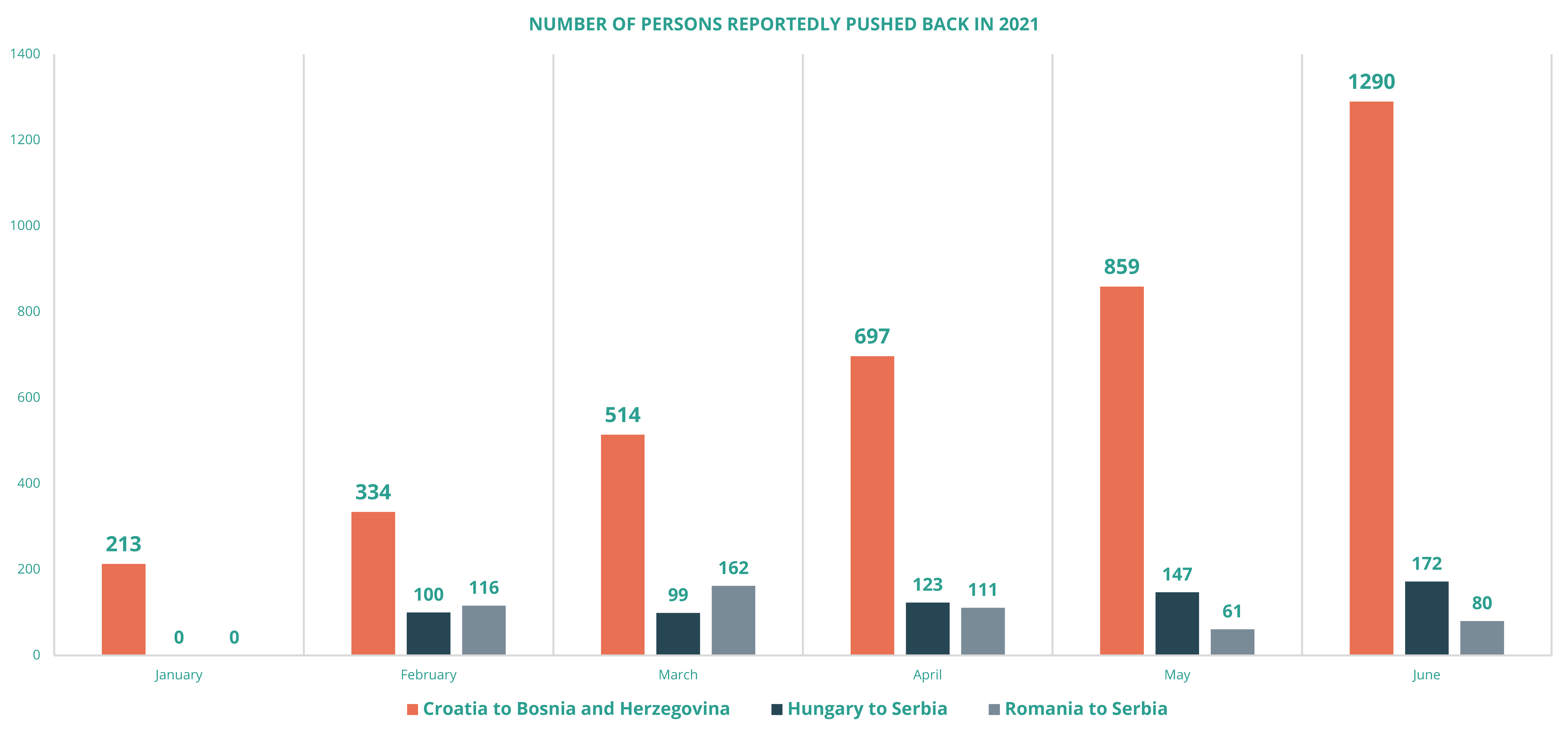
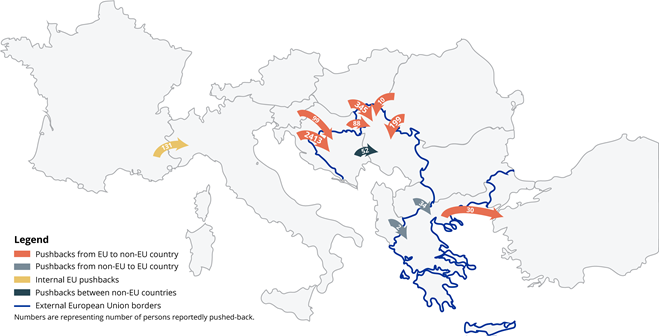
The report, which is published in partnership of DRC and six civil society organisations across six countries, includes incidents involving 3,403 persons – an increase compared to the first quarter of the year with higher numbers of pushbacks recorded at the Croatia-Bosnia and Herzegovina (BiH) and Hungary-Serbia borders.
The numbers alone are outrageous, but behind the statistics are real children, women and men, who experienced danger, fear, perilous journeys and multiple rights abuses, from humiliating and degrading treatment, to being deprived of their belongings or exposed to physical and psychological abuse.
Charlotte Slente, Secretary General of DRC
The report documents continued widespread use of illegal pushbacks, including chain pushbacks as those documented in the previous report, from EU Member States (MS) and neighbouring countries.
“The numbers alone are outrageous, but behind the statistics are real children, women and men, who experienced danger, fear, perilous journeys and multiple rights abuses, from humiliating and degrading treatment, to being deprived of their belongings or exposed to physical and psychological abuse,” says Charlotte Slente: “And often, these people have had not one, but multiple such experiences, at the same or different borders.”
Despite calls for effective monitoring mechanisms of border practices and investigations of complaints related to pushbacks, the report shows that this is still lacking.
This affects asylum seekers’ rights to an effective remedy and states’ path to accountability.
“The rights abuses and undignified treatment of very vulnerable people, which we continue to see in several countries are very worrying and we hope to see immediate action by governments of countries accused of conducting illegal pushbacks by migrants,” says Charlotte Slente.
Find the report here: Doors Wide Shut.

More content like this
page
Protecting Rights At Borders
news
Protecting Rights at Borders (PRAB)

news
Push back of responsibility: Human Rights Violations as a Welcome Treatment at Europe’s Borders

news
12,000 pushbacks in 2021 reflects worrying normalization of illegal practice
news
Countering human smuggling: No silver bullet for safer mobility
news
Croatia/EU Border Monitoring System: Effective Mechanism Needed - Independent, Broad Mandate, Adequate Resources

news
Need for calm and proportional response at the EUs external borders
news